

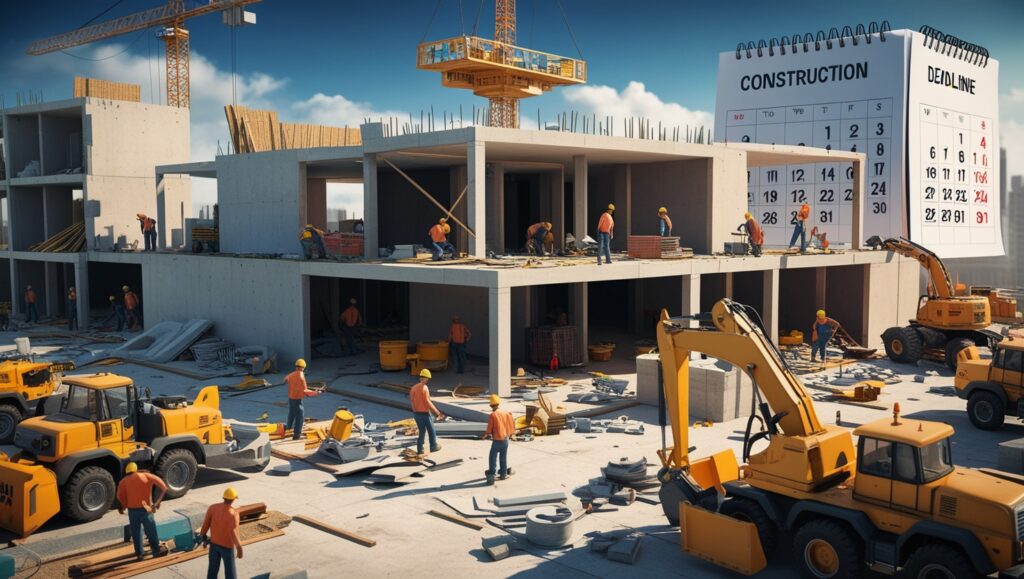
Construction projects, whether small-scale residential buildings or massive commercial buildings are a circle between design, planning, execution, and delivery. Construction mistakes lead to cost overruns and affect timelines, quality, and client satisfaction. Let’s explore some of the most common mistakes and, more importantly, how to sidestep them for a successful project.
- Ignoring Planning and Budgeting
- Poor Communication Among Stakeholders
- Neglecting Site Surveys and Soil Testing
- Failure to Comply with Local Regulations
- Using Substandard Materials
- Skipping Quality Control
- Overlooking Maintenance Planning
Ignoring Planning and Budgeting
In any construction project planning is the most crucial part. If you don’t have detailed planning or underestimating costs, you will lead to terrible results. Not having detailed designs (drawings) or an unrealistic budget often results in unexpected delays and resource shortages.
How to Avoid It:
- Invest in creating a comprehensive project plan (by hiring professionals and using the latest software like Primavera P6 and PlanSwift) that includes detailed schedules, material estimates, and contingency funds.
- Use modern tools of Building Information Modeling (BIM) to design the building use Revit and visualize the project in 3D and identify potential clashes before construction begins by Navisworks.
Poor Communication Among Stakeholders
Construction projects involve multiple parties: clients, architects, contractors, and suppliers. Miscommunication or lack of transparency can lead to conflicting interpretations and costly rework.
How to Avoid It:
- Establish clear communication channels and regular update meetings.
- Use project management software to ensure all stakeholders are on the same page with real-time updates and documentation sharing.
Neglecting Site Surveys and Soil Testing
Skipping site surveys or ignoring soil tests can lead to structural failures or unexpected challenges during construction. The land’s topography and soil quality play a critical role in determining the foundation design and overall feasibility.
How to Avoid It:
- Conduct thorough site surveys and soil tests before beginning any construction.
- Work with experienced geotechnical engineers to ensure the foundation design is suited to the site’s conditions.
Failure to Comply with Local Regulations
Overlooking zoning laws, building codes, or permit requirements can pause construction, incur heavy fines, or lead to legal complications.
How to Avoid It:
- Familiarize yourself with local regulations and obtain all necessary permits before breaking ground.
- Collaborate with professionals who have experience navigating local compliance requirements.
Using Substandard Materials
Cutting costs by using low-quality materials might seem like a good idea in the short term, but it compromises the durability and safety of the structure in the long run.
How to Avoid It:
- Prioritize quality over cost when sourcing materials.
- Partner with reputable suppliers and inspect materials upon delivery to ensure they meet the required standards.
Skipping Quality Control
Neglecting quality control measures can result in structural defects, client dissatisfaction, and potential safety hazards.
How to Avoid It:
- Implement a robust quality assurance process at every stage of the project.
- Conduct regular inspections and address issues promptly.
Overlooking Maintenance Planning
Many projects fail to account for the future maintenance needs of the building. This oversight can lead to increased operational costs for the client.
How to Avoid It:
- Incorporate maintenance considerations into the design and material selection phases.
- Provide the client with a detailed maintenance plan upon project completion.